Buy carlsbergfancamp.pl ?
We are moving the project
carlsbergfancamp.pl .
Are you interested in purchasing the domain
carlsbergfancamp.pl ?
domain@kv-gmbh.de · 0541-91531010
Buy carlsbergfancamp.pl ?
What distinguishes an LDR resistor from an NTC resistor?
An LDR (Light Dependent Resistor) is a type of resistor whose resistance decreases with an increase in the intensity of light. On the other hand, an NTC (Negative Temperature Coefficient) resistor is a type of resistor whose resistance decreases as the temperature increases. Therefore, the main distinguishing factor between the two is the parameter that affects their resistance - light intensity for LDR and temperature for NTC resistors. **
What are the tolerances for resistor chains and resistor cubes?
The tolerances for resistor chains and resistor cubes typically depend on the specific manufacturer and type of resistor used. However, in general, the tolerances for resistor chains and cubes are usually around 1-5%. This means that the actual resistance of the chain or cube may vary from the specified value by up to 1-5%. It is important to consider these tolerances when designing circuits to ensure accurate performance. **

Similar search terms for Resistor
Top-Angebote
Products related to Resistor:
-
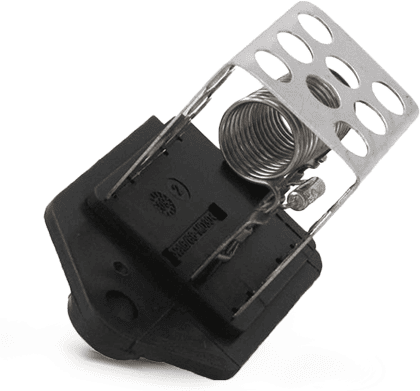
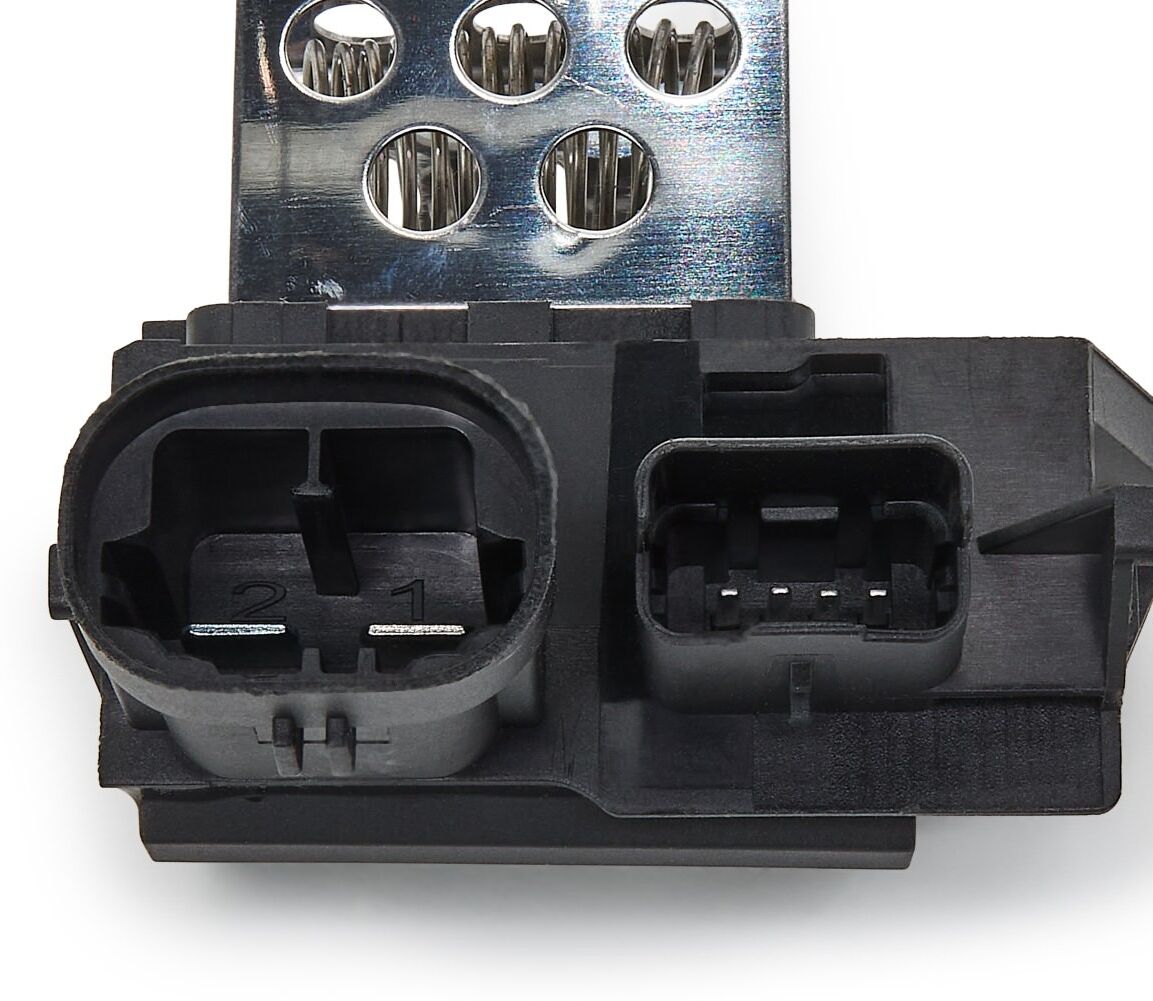
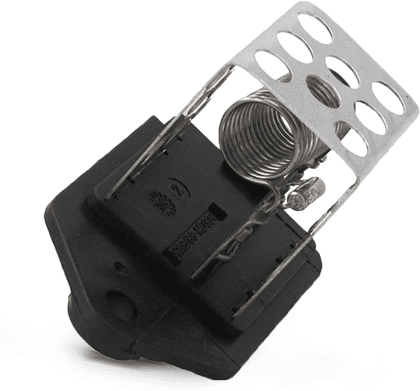
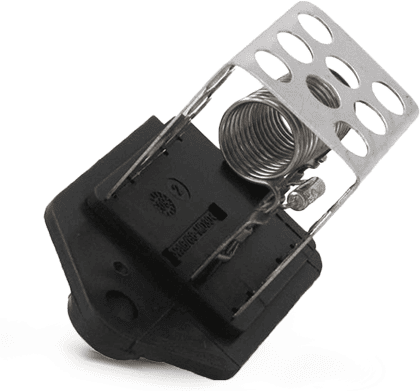
METZGER 0917369 Radiator fan resistorNumber of pins: 6; Colour: black; Version: Neue Version; Always compare old and new part (in particular OE No.): ; for OE number: 9673999980; for RPO number from: 11074, 10920; for RPO number up to: 13019, 13294; Blower Motor Power [kW]: 0,14; Climate Zones: not for cold climate zones; TecDoc Engine Number: 34225, 32341, 38281, 3231524,99 £*Shipping: 8,45 £Secure redirect to the provider

-
How can a fan be slowed down with a resistor?
A fan can be slowed down with a resistor by adding the resistor in series with the fan. The resistor will increase the total resistance in the circuit, reducing the current flowing through the fan. This decrease in current will result in a lower voltage across the fan, causing it to slow down. The amount of resistance added by the resistor will determine how much the fan's speed is reduced. **
-
Is this a resistor?
No, this is not a resistor. Resistors are electronic components that limit the flow of electric current in a circuit. The image provided does not show a resistor, but rather a capacitor. Capacitors store and release electrical energy in a circuit, functioning differently from resistors. **
-
How can a fan be slowed down with a series resistor?
A fan can be slowed down with a series resistor by increasing the resistance in the circuit, which reduces the current flowing to the fan. This decrease in current reduces the power supplied to the fan, causing it to slow down. By adding a series resistor, the overall resistance in the circuit increases, leading to a decrease in the voltage across the fan and subsequently slowing it down. However, it's important to note that adding a series resistor may also reduce the efficiency of the fan and could potentially cause it to overheat, so it's important to carefully consider the implications of adding a series resistor to a fan circuit. **
-
What is the difference between a load resistor and a regular resistor?
A load resistor is specifically designed to simulate the presence of a device in an electrical circuit, such as a light bulb or a motor, to ensure proper functioning of the circuit. It is used to test the performance of the circuit under different conditions. On the other hand, a regular resistor is a general-purpose component used to limit current, divide voltage, or provide biasing in a circuit. While both resistors resist the flow of current, a load resistor is tailored for specific testing purposes, whereas a regular resistor has a broader range of applications in electronic circuits. **


Is the LED current-limiting resistor as good as the pre-resistor?
The LED current-limiting resistor is not as good as the pre-resistor. The pre-resistor is specifically designed to limit the current flowing through the LED to a safe level, ensuring that the LED operates within its specified parameters. On the other hand, a regular current-limiting resistor may not provide the precise current regulation needed for the LED, leading to potential overcurrent and damage to the LED. Therefore, it is important to use the pre-resistor recommended by the LED manufacturer for optimal performance and longevity of the LED. **
How long is a resistor?
The length of a resistor can vary depending on its power rating and wattage. However, a standard resistor is typically around 0.25 inches to 1 inch in length. The length of a resistor is not the most important factor in determining its functionality, as its resistance value and power rating are more critical for its proper operation in an electrical circuit. **
Top-Angebote
Products related to Resistor:
-
METZGER 0917369 Radiator fan resistorNumber of pins: 6; Colour: black; Version: Neue Version; Always compare old and new part (in particular OE No.): ; for OE number: 9673999980; for RPO number from: 11074, 10920; for RPO number up to: 13019, 13294; Blower Motor Power [kW]: 0,14; Climate Zones: not for cold climate zones; TecDoc Engine Number: 34225, 32341, 38281, 3231524,99 £*Shipping: 8,45 £Secure redirect to the provider
-
What distinguishes an LDR resistor from an NTC resistor?
An LDR (Light Dependent Resistor) is a type of resistor whose resistance decreases with an increase in the intensity of light. On the other hand, an NTC (Negative Temperature Coefficient) resistor is a type of resistor whose resistance decreases as the temperature increases. Therefore, the main distinguishing factor between the two is the parameter that affects their resistance - light intensity for LDR and temperature for NTC resistors. **
-
What are the tolerances for resistor chains and resistor cubes?
The tolerances for resistor chains and resistor cubes typically depend on the specific manufacturer and type of resistor used. However, in general, the tolerances for resistor chains and cubes are usually around 1-5%. This means that the actual resistance of the chain or cube may vary from the specified value by up to 1-5%. It is important to consider these tolerances when designing circuits to ensure accurate performance. **
-
How can a fan be slowed down with a resistor?
A fan can be slowed down with a resistor by adding the resistor in series with the fan. The resistor will increase the total resistance in the circuit, reducing the current flowing through the fan. This decrease in current will result in a lower voltage across the fan, causing it to slow down. The amount of resistance added by the resistor will determine how much the fan's speed is reduced. **
-
Is this a resistor?
No, this is not a resistor. Resistors are electronic components that limit the flow of electric current in a circuit. The image provided does not show a resistor, but rather a capacitor. Capacitors store and release electrical energy in a circuit, functioning differently from resistors. **
Similar search terms for Resistor
-
DENSO DRS09023 Radiator fan resistorWeight [g]: 80; Gross Weight [g]: 100; Vehicle Equipment: for vehicles with air conditioning, for vehicles without air conditioning; Vehicle Identification Number (VIN) to: 7301052; Transmission Type: Manual Transmission, Automatic Transmission21,49 £*Shipping: 8,45 £Secure redirect to the provider
-
How can a fan be slowed down with a series resistor?
A fan can be slowed down with a series resistor by increasing the resistance in the circuit, which reduces the current flowing to the fan. This decrease in current reduces the power supplied to the fan, causing it to slow down. By adding a series resistor, the overall resistance in the circuit increases, leading to a decrease in the voltage across the fan and subsequently slowing it down. However, it's important to note that adding a series resistor may also reduce the efficiency of the fan and could potentially cause it to overheat, so it's important to carefully consider the implications of adding a series resistor to a fan circuit. **
-
What is the difference between a load resistor and a regular resistor?
A load resistor is specifically designed to simulate the presence of a device in an electrical circuit, such as a light bulb or a motor, to ensure proper functioning of the circuit. It is used to test the performance of the circuit under different conditions. On the other hand, a regular resistor is a general-purpose component used to limit current, divide voltage, or provide biasing in a circuit. While both resistors resist the flow of current, a load resistor is tailored for specific testing purposes, whereas a regular resistor has a broader range of applications in electronic circuits. **
-
Is the LED current-limiting resistor as good as the pre-resistor?
The LED current-limiting resistor is not as good as the pre-resistor. The pre-resistor is specifically designed to limit the current flowing through the LED to a safe level, ensuring that the LED operates within its specified parameters. On the other hand, a regular current-limiting resistor may not provide the precise current regulation needed for the LED, leading to potential overcurrent and damage to the LED. Therefore, it is important to use the pre-resistor recommended by the LED manufacturer for optimal performance and longevity of the LED. **
-
How long is a resistor?
The length of a resistor can vary depending on its power rating and wattage. However, a standard resistor is typically around 0.25 inches to 1 inch in length. The length of a resistor is not the most important factor in determining its functionality, as its resistance value and power rating are more critical for its proper operation in an electrical circuit. **
* All prices are inclusive of VAT and, if applicable, plus shipping costs. The offer information is based on the details provided by the respective shop and is updated through automated processes. Real-time updates do not occur, so deviations can occur in individual cases. ** Note: Parts of this content were created by AI.