Buy carlsbergfancamp.pl ?
We are moving the project
carlsbergfancamp.pl .
Are you interested in purchasing the domain
carlsbergfancamp.pl ?
domain@kv-gmbh.de · 0541-91531010
Buy carlsbergfancamp.pl ?
Can isotopes occur naturally?
Yes, isotopes can occur naturally. Isotopes are variants of a particular chemical element that have the same number of protons but different numbers of neutrons. Many elements have naturally occurring isotopes, and they can be found in various proportions in nature. For example, carbon has three naturally occurring isotopes: carbon-12, carbon-13, and carbon-14. These isotopes are formed through natural processes such as radioactive decay and nuclear reactions. **
How do neutrons enter isotopes?
Neutrons enter isotopes through a process called neutron capture. Neutron capture occurs when a neutron is absorbed by the nucleus of an atom, resulting in the formation of a new isotope. This process can change the atomic mass of the isotope without affecting its chemical properties. Neutron capture plays a crucial role in nuclear reactions and the formation of heavy elements in stars. **


Similar search terms for Isotopes
Top-Angebote
Products related to Isotopes:
-
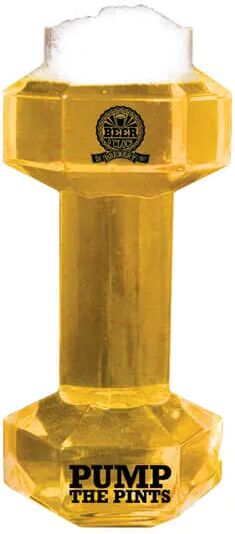
Beer O Clock Beer O'Clock Dumbbell Beer GlassHolding 650ml of your favourite tipple (that's over a pint!) the Beer O'Clock Dumbbell Beer Glass gives your drinking arm a thorough workout while you drink! This perfect glass for gym lovers measures an impressive 21.5cm in height and is supplied in a polystyrene lined gift box, making it the ultimate man gift for father's day, birthday or Christmas. Pump beer, not iron with this unique and cool dumbbell shaped glass. Approximate dumbbell beer glass dimensions: H21.5cm x W10cm. Weight: 460gr. Hand wash only.16,19 £*Shipping: 3,50 £Secure redirect to the provider
-
Fusion Finds Outdoor Stainless Steel Cups For Travel And Camping Beer, Wine, Coffee, Tea Tumblers 320ml"Stainless Steel Metal Cup Beer Cups White Wine Glass Coffee Tumbler Travel Camping Mugs Drinking Tea Mug OutdoorPlease note that the package includes only one cup, not a set of cups.""DELIVERY DETAILS:We ship globally, ensuring your order reaches you..."22,00 $*Shipping: 0,00 $Secure redirect to the provider
-
Goosebumps Entertainment PackRelive the adventures of the hit show in these two novels, and then explore your creativity with more than 90 images in the Official Goosebumps Coloring Book.This set includes:Goosebumps TV: The Haunting ReturnsGoosebumps TV: The Vanished...36,99 $*Shipping: 0,00 $Secure redirect to the provider
-
Uplifted Finds Single Layer Stainless Steel Outdoor Camping Beer & Coffee Cup With Rolled Rim 400mlEnjoy your favorite beverages outdoors with this SingleLayer Stainless Steel Camping Cup. Forged from highgrade, foodsafe stainless steel, this rugged water and beer tumbler is built to handle outdoor adventures, backyard barbecues, and everyday...38,97 $*Shipping: 0,00 $Secure redirect to the provider



-
What are isotopes in chemistry?
Isotopes are atoms of the same element that have the same number of protons but different numbers of neutrons. This means that isotopes have the same atomic number but different atomic masses. For example, carbon-12 and carbon-14 are isotopes of carbon. Isotopes can have different physical properties, such as different atomic masses, but they have similar chemical properties because they have the same number of protons and electrons. **
-
How do radioactive isotopes decay?
Radioactive isotopes decay through the process of emitting radiation in the form of alpha particles, beta particles, or gamma rays. This emission of radiation occurs as the unstable nucleus of the isotope seeks to reach a more stable state. The type of decay that occurs depends on the specific isotope and its atomic structure. Over time, the decay process transforms the original isotope into a different element or a different isotope of the same element. **
-
Are there isotopes, yes or no?
Yes, there are isotopes. Isotopes are atoms of the same element that have the same number of protons but different numbers of neutrons. This results in variations in atomic mass for a given element. **
-
What are the properties of isotopes?
Isotopes are atoms of the same element that have the same number of protons but different numbers of neutrons. This means that isotopes have the same chemical properties, but different physical properties due to their different atomic masses. Isotopes of an element have similar chemical behavior because they have the same number of electrons and therefore the same electron configuration. Isotopes are used in a variety of applications, including carbon dating, medical imaging, and nuclear power. **


What are the three carbon isotopes?
The three carbon isotopes are carbon-12, carbon-13, and carbon-14. Carbon-12 is the most abundant and stable isotope, making up about 98.9% of all carbon atoms. Carbon-13 is a stable isotope, making up about 1.1% of all carbon atoms. Carbon-14 is a radioactive isotope with a half-life of about 5,730 years and is used in radiocarbon dating to determine the age of organic materials. **
Could one describe isotopes like this?
Isotopes are atoms of the same element that have the same number of protons but different numbers of neutrons. This means that isotopes have the same chemical properties but different atomic masses. Therefore, one could describe isotopes as variations of the same element with different atomic masses due to differing numbers of neutrons. **
Top-Angebote
Products related to Isotopes:
-
Bar Bespoke Sports Fan Cricket Ball Beer GlassThe Bar Bespoke Cricket Ball Beer Glass is a distinctive, handcrafted gift item that blends traditional sports nostalgia with premium drinkware. Each glass is embedded with a real 4cm souvenir-size leather cricket ball, creating a visually striking, tactile piece that captures attention and sparks conversation. Designed for the modern gift-giver, it combines novelty, function, and craftsmanship in one irresistible package. Material: Durable clear soda lime glass with embedded real leather mini cricket ball. Cricket ball size: 4cm (souvenir size – smaller than match balls!) Dimensions: Dia: 9cm Height: 14.8cm Base: 6cm Product Weight: 380g (Without packaging) Capacity: 400ml for a typical bottle or can. Hand wash only Handmade nature means slight variations are to be expected — each piece is truly one of a kind.19,79 £*Shipping: 3,50 £Secure redirect to the provider
-
Uplifted Finds Single Layer Stainless Steel Outdoor Camping Beer & Coffee Cup With Rolled Rim 300mlEnjoy your favorite beverages outdoors with this SingleLayer Stainless Steel Camping Cup. Forged from highgrade, foodsafe stainless steel, this rugged water and beer tumbler is built to handle outdoor adventures, backyard barbecues, and everyday...38,97 $*Shipping: 0,00 $Secure redirect to the provider
-
Beer O Clock Beer O'Clock Dumbbell Beer GlassHolding 650ml of your favourite tipple (that's over a pint!) the Beer O'Clock Dumbbell Beer Glass gives your drinking arm a thorough workout while you drink! This perfect glass for gym lovers measures an impressive 21.5cm in height and is supplied in a polystyrene lined gift box, making it the ultimate man gift for father's day, birthday or Christmas. Pump beer, not iron with this unique and cool dumbbell shaped glass. Approximate dumbbell beer glass dimensions: H21.5cm x W10cm. Weight: 460gr. Hand wash only.16,19 £*Shipping: 3,50 £Secure redirect to the provider
-
Fusion Finds Outdoor Stainless Steel Cups For Travel And Camping Beer, Wine, Coffee, Tea Tumblers 320ml"Stainless Steel Metal Cup Beer Cups White Wine Glass Coffee Tumbler Travel Camping Mugs Drinking Tea Mug OutdoorPlease note that the package includes only one cup, not a set of cups.""DELIVERY DETAILS:We ship globally, ensuring your order reaches you..."22,00 $*Shipping: 0,00 $Secure redirect to the provider
-
Can isotopes occur naturally?
Yes, isotopes can occur naturally. Isotopes are variants of a particular chemical element that have the same number of protons but different numbers of neutrons. Many elements have naturally occurring isotopes, and they can be found in various proportions in nature. For example, carbon has three naturally occurring isotopes: carbon-12, carbon-13, and carbon-14. These isotopes are formed through natural processes such as radioactive decay and nuclear reactions. **
-
How do neutrons enter isotopes?
Neutrons enter isotopes through a process called neutron capture. Neutron capture occurs when a neutron is absorbed by the nucleus of an atom, resulting in the formation of a new isotope. This process can change the atomic mass of the isotope without affecting its chemical properties. Neutron capture plays a crucial role in nuclear reactions and the formation of heavy elements in stars. **
-
What are isotopes in chemistry?
Isotopes are atoms of the same element that have the same number of protons but different numbers of neutrons. This means that isotopes have the same atomic number but different atomic masses. For example, carbon-12 and carbon-14 are isotopes of carbon. Isotopes can have different physical properties, such as different atomic masses, but they have similar chemical properties because they have the same number of protons and electrons. **
-
How do radioactive isotopes decay?
Radioactive isotopes decay through the process of emitting radiation in the form of alpha particles, beta particles, or gamma rays. This emission of radiation occurs as the unstable nucleus of the isotope seeks to reach a more stable state. The type of decay that occurs depends on the specific isotope and its atomic structure. Over time, the decay process transforms the original isotope into a different element or a different isotope of the same element. **
Similar search terms for Isotopes
-
Goosebumps Entertainment PackRelive the adventures of the hit show in these two novels, and then explore your creativity with more than 90 images in the Official Goosebumps Coloring Book.This set includes:Goosebumps TV: The Haunting ReturnsGoosebumps TV: The Vanished...36,99 $*Shipping: 0,00 $Secure redirect to the provider
-
Uplifted Finds Single Layer Stainless Steel Outdoor Camping Beer & Coffee Cup With Rolled Rim 400mlEnjoy your favorite beverages outdoors with this SingleLayer Stainless Steel Camping Cup. Forged from highgrade, foodsafe stainless steel, this rugged water and beer tumbler is built to handle outdoor adventures, backyard barbecues, and everyday...38,97 $*Shipping: 0,00 $Secure redirect to the provider
-
Uplifted Finds Single Layer Stainless Steel Outdoor Camping Beer & Coffee Cup With Rolled Rim 200mlEnjoy your favorite beverages outdoors with this SingleLayer Stainless Steel Camping Cup. Forged from highgrade, foodsafe stainless steel, this rugged water and beer tumbler is built to handle outdoor adventures, backyard barbecues, and everyday...33,97 $*Shipping: 0,00 $Secure redirect to the provider
-
Uplifted Finds Single Layer Stainless Steel Outdoor Camping Beer & Coffee Cup With Rolled Rim 350mlEnjoy your favorite beverages outdoors with this SingleLayer Stainless Steel Camping Cup. Forged from highgrade, foodsafe stainless steel, this rugged water and beer tumbler is built to handle outdoor adventures, backyard barbecues, and everyday...38,97 $*Shipping: 0,00 $Secure redirect to the provider
-
Are there isotopes, yes or no?
Yes, there are isotopes. Isotopes are atoms of the same element that have the same number of protons but different numbers of neutrons. This results in variations in atomic mass for a given element. **
-
What are the properties of isotopes?
Isotopes are atoms of the same element that have the same number of protons but different numbers of neutrons. This means that isotopes have the same chemical properties, but different physical properties due to their different atomic masses. Isotopes of an element have similar chemical behavior because they have the same number of electrons and therefore the same electron configuration. Isotopes are used in a variety of applications, including carbon dating, medical imaging, and nuclear power. **
-
What are the three carbon isotopes?
The three carbon isotopes are carbon-12, carbon-13, and carbon-14. Carbon-12 is the most abundant and stable isotope, making up about 98.9% of all carbon atoms. Carbon-13 is a stable isotope, making up about 1.1% of all carbon atoms. Carbon-14 is a radioactive isotope with a half-life of about 5,730 years and is used in radiocarbon dating to determine the age of organic materials. **
-
Could one describe isotopes like this?
Isotopes are atoms of the same element that have the same number of protons but different numbers of neutrons. This means that isotopes have the same chemical properties but different atomic masses. Therefore, one could describe isotopes as variations of the same element with different atomic masses due to differing numbers of neutrons. **
* All prices are inclusive of VAT and, if applicable, plus shipping costs. The offer information is based on the details provided by the respective shop and is updated through automated processes. Real-time updates do not occur, so deviations can occur in individual cases. ** Note: Parts of this content were created by AI.