Buy carlsbergfancamp.pl ?
We are moving the project
carlsbergfancamp.pl .
Are you interested in purchasing the domain
carlsbergfancamp.pl ?
domain@kv-gmbh.de · 0541-91531010
Buy carlsbergfancamp.pl ?
Underfloor heating or infrared heating?
Both underfloor heating and infrared heating have their own advantages and disadvantages. Underfloor heating provides a more consistent and even heat distribution throughout the room, while infrared heating is more energy-efficient and heats objects directly. The choice between the two would depend on factors such as the size of the room, the desired level of comfort, and energy efficiency goals. Ultimately, it is important to consider your specific needs and preferences when deciding between underfloor heating and infrared heating. **
Which heating system for district heating?
There are several heating systems that can be used for district heating, including: 1. Combined heat and power (CHP) plants: These plants generate both electricity and heat simultaneously, making them highly efficient for district heating systems. 2. Biomass boilers: Biomass boilers use organic materials such as wood chips or pellets to generate heat for district heating. 3. Geothermal heat pumps: Geothermal heat pumps use the heat stored in the earth to provide heating for district heating systems. 4. Waste-to-energy plants: These plants burn waste materials to generate heat for district heating, making use of otherwise discarded resources. The choice of heating system for district heating will depend on factors such as local resources, energy efficiency, and environmental considerations. **
Similar search terms for Heating
Top-Angebote
Products related to Heating:
-
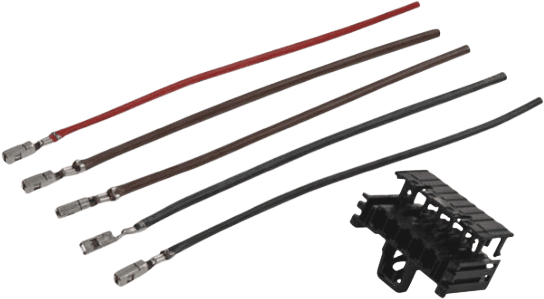
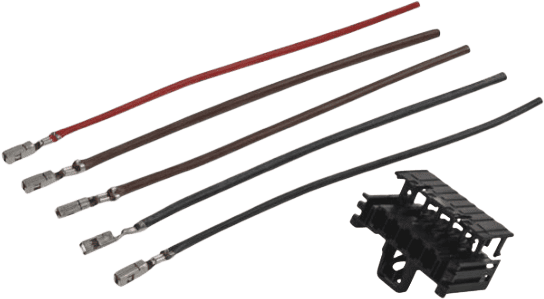
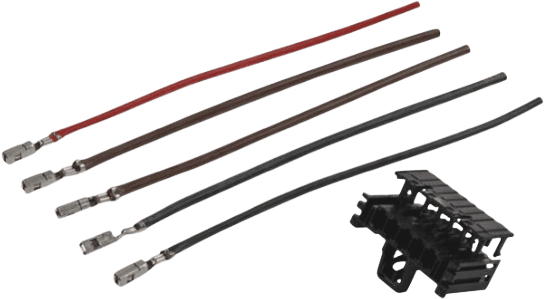
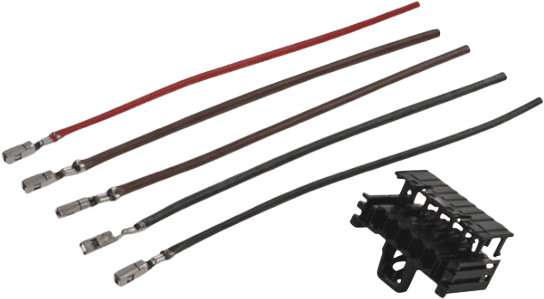
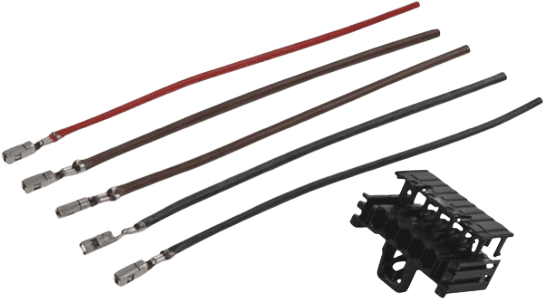
METZGER 2322016 Cable Repair Set, interior heating fan, (eng. preheat sys.)Fitting Position: inner; Connector Shape: angular; Cable insulation material: Silicone; Supplementary Article / Supplementary Info: with shrink squeeze connector; Number of circuits: 5; Cable Length [mm]: 200; Cable cross-section from [mm²]: 1,5; Cable cross-section to [mm²]: 4; Material: CuSn (copper-tin)32,99 £*Shipping: 8,45 £Secure redirect to the provider
-
METZGER 2322022 Cable Repair Set, interior heating fan, (eng. preheat sys.)Cable Length [mm]: 100; Number of circuits: 8; Cable cross-section from [mm²]: 0,5; Cable cross-section to [mm²]: 2,5; Supplementary Article / Supplementary Info: with shrink squeeze connector; Cable insulation material: Silicone, CuSn (copper-tin); Multi-piece: two-piece; Plug Type: Female; Number of pins: 6, 2; article number of recommended accessories: 0917001; Alternative Repair Kit: 123; Construction Year from: 03/1999, 06/2001, 05/2005, 09/2007; Vehicle Equipment: for vehicles with automatic climate control; Production date to: 26.06.2007, 05.09.2007, 27.08.2007, 15.10.2000, 15.06.2001, 14.09.2007, 16.03.2007, 10.01.2008; Fabrication Number: F, K, R, W; Left-/right-hand drive vehicles: for left-hand drive vehicles, for right-hand drive vehicles; for RPO number up to: 08742, 08985, 11085; TecDoc Engine Number: 23874, 17647; Construction Year to: 05/2005, 09/2007; Vehicle Equipment Line/Trim Level: Elegance, Sport; Transmission Code: JB314,49 £*Shipping: 8,45 £Secure redirect to the provider
-
SenCom 503060 Cable Repair Set, interior heating fan, (eng. preheat sys.)Number of circuits: 4; Cable Length [mm]: 100; Plug Type: Shrink Connector; Connector Shape: angular; Cable cross-section from [mm²]: 1,5; Cable cross-section to [mm²]: 4,00; Cable insulation material: Silicone; Material: CuSn (copper-tin); Number of pins: 5; Number of used contacts: 4; Vehicle Equipment: for vehicles with automatic climate control14,99 £*Shipping: 8,45 £Secure redirect to the provider

-
Gas central heating or central heating?
Gas central heating is a type of central heating system that uses natural gas to heat the home. It is a popular choice for many homeowners due to its efficiency and cost-effectiveness. On the other hand, central heating refers to any system that provides heat to the entire interior of a building from one point to multiple rooms. While gas central heating is a specific type of central heating, there are other options such as electric central heating or oil central heating. The choice between gas central heating and other central heating options depends on factors such as availability of fuel, cost, and efficiency. **
-
Can a bathroom fan be connected to a heating chimney?
No, a bathroom fan should not be connected to a heating chimney. The purpose of a bathroom fan is to remove moisture and odors from the bathroom, while a heating chimney is designed to exhaust combustion gases from a heating appliance. Connecting a bathroom fan to a heating chimney can create a potential safety hazard by interfering with the proper ventilation of the heating appliance and causing backdrafting of combustion gases into the home. It is important to follow proper building codes and regulations when installing ventilation systems to ensure the safety and efficiency of the home. **
-
Are subsidies for oil heating, wood heating, and pellet heating sensible?
Subsidies for oil heating may not be sensible due to its negative environmental impact and contribution to climate change. On the other hand, subsidies for wood heating and pellet heating can be sensible as they are more sustainable and renewable sources of energy. These subsidies can help incentivize the use of cleaner and more efficient heating options, reducing carbon emissions and promoting environmental sustainability. However, it is important to ensure that the subsidies are well-targeted and do not inadvertently lead to deforestation or other negative environmental consequences. **
-
What is district heating and district heating?
District heating is a system where heat is generated at a central location and then distributed through a network of insulated pipes to provide heating to multiple buildings or homes in a specific area. District cooling is a similar system where chilled water is distributed for air conditioning purposes. These systems are more energy-efficient and environmentally friendly compared to individual heating and cooling systems in each building, as they can utilize waste heat from power plants or other sources. District heating and cooling can help reduce greenhouse gas emissions and lower energy costs for consumers. **


Where does the heating consume heating costs?
Heating costs are typically consumed in the process of generating heat to warm a space, such as a home or office. This can include the cost of fuel, electricity, or other energy sources used to power heating systems like furnaces, boilers, or electric heaters. The efficiency of the heating system and the insulation of the building can also impact heating costs, as inefficient systems or poorly insulated spaces may require more energy to maintain a comfortable temperature. **
What is district heating and remote heating?
District heating is a system where heat is generated in a central location and then distributed through a network of insulated pipes to multiple buildings in a specific area. This allows for more efficient heating compared to individual heating systems in each building. Remote heating is a similar concept, where heat is generated at a central location and then transported over long distances to heat buildings in different locations. Both district heating and remote heating help reduce energy consumption and greenhouse gas emissions by utilizing centralized heating sources. **
Top-Angebote
Products related to Heating:
-
METZGER 2322002 Cable Repair Set, interior heating fan, (eng. preheat sys.)Heating/Cooling: for vehicles with factory fitted air conditioning; Number of circuits: 4; Cable Length [mm]: 100; Supplementary Article / Supplementary Info: with shrink squeeze connector; Connector Shape: angular; Cable Cross Section [mm²]: 1,5, 4; Cable insulation material: Silicone; Material: CuSn (copper-tin); Product must be determined on the vehicle or the motor: ; article number of recommended accessories: 091710825,99 £*Shipping: 8,45 £Secure redirect to the provider
-
METZGER 2322016 Cable Repair Set, interior heating fan, (eng. preheat sys.)Fitting Position: inner; Connector Shape: angular; Cable insulation material: Silicone; Supplementary Article / Supplementary Info: with shrink squeeze connector; Number of circuits: 5; Cable Length [mm]: 200; Cable cross-section from [mm²]: 1,5; Cable cross-section to [mm²]: 4; Material: CuSn (copper-tin)32,99 £*Shipping: 8,45 £Secure redirect to the provider
-
METZGER 2322022 Cable Repair Set, interior heating fan, (eng. preheat sys.)Cable Length [mm]: 100; Number of circuits: 8; Cable cross-section from [mm²]: 0,5; Cable cross-section to [mm²]: 2,5; Supplementary Article / Supplementary Info: with shrink squeeze connector; Cable insulation material: Silicone, CuSn (copper-tin); Multi-piece: two-piece; Plug Type: Female; Number of pins: 6, 2; article number of recommended accessories: 0917001; Alternative Repair Kit: 123; Construction Year from: 03/1999, 06/2001, 05/2005, 09/2007; Vehicle Equipment: for vehicles with automatic climate control; Production date to: 26.06.2007, 05.09.2007, 27.08.2007, 15.10.2000, 15.06.2001, 14.09.2007, 16.03.2007, 10.01.2008; Fabrication Number: F, K, R, W; Left-/right-hand drive vehicles: for left-hand drive vehicles, for right-hand drive vehicles; for RPO number up to: 08742, 08985, 11085; TecDoc Engine Number: 23874, 17647; Construction Year to: 05/2005, 09/2007; Vehicle Equipment Line/Trim Level: Elegance, Sport; Transmission Code: JB314,49 £*Shipping: 8,45 £Secure redirect to the provider
-
Underfloor heating or infrared heating?
Both underfloor heating and infrared heating have their own advantages and disadvantages. Underfloor heating provides a more consistent and even heat distribution throughout the room, while infrared heating is more energy-efficient and heats objects directly. The choice between the two would depend on factors such as the size of the room, the desired level of comfort, and energy efficiency goals. Ultimately, it is important to consider your specific needs and preferences when deciding between underfloor heating and infrared heating. **
-
Which heating system for district heating?
There are several heating systems that can be used for district heating, including: 1. Combined heat and power (CHP) plants: These plants generate both electricity and heat simultaneously, making them highly efficient for district heating systems. 2. Biomass boilers: Biomass boilers use organic materials such as wood chips or pellets to generate heat for district heating. 3. Geothermal heat pumps: Geothermal heat pumps use the heat stored in the earth to provide heating for district heating systems. 4. Waste-to-energy plants: These plants burn waste materials to generate heat for district heating, making use of otherwise discarded resources. The choice of heating system for district heating will depend on factors such as local resources, energy efficiency, and environmental considerations. **
-
Gas central heating or central heating?
Gas central heating is a type of central heating system that uses natural gas to heat the home. It is a popular choice for many homeowners due to its efficiency and cost-effectiveness. On the other hand, central heating refers to any system that provides heat to the entire interior of a building from one point to multiple rooms. While gas central heating is a specific type of central heating, there are other options such as electric central heating or oil central heating. The choice between gas central heating and other central heating options depends on factors such as availability of fuel, cost, and efficiency. **
-
Can a bathroom fan be connected to a heating chimney?
No, a bathroom fan should not be connected to a heating chimney. The purpose of a bathroom fan is to remove moisture and odors from the bathroom, while a heating chimney is designed to exhaust combustion gases from a heating appliance. Connecting a bathroom fan to a heating chimney can create a potential safety hazard by interfering with the proper ventilation of the heating appliance and causing backdrafting of combustion gases into the home. It is important to follow proper building codes and regulations when installing ventilation systems to ensure the safety and efficiency of the home. **
Similar search terms for Heating
-
SenCom 503060 Cable Repair Set, interior heating fan, (eng. preheat sys.)Number of circuits: 4; Cable Length [mm]: 100; Plug Type: Shrink Connector; Connector Shape: angular; Cable cross-section from [mm²]: 1,5; Cable cross-section to [mm²]: 4,00; Cable insulation material: Silicone; Material: CuSn (copper-tin); Number of pins: 5; Number of used contacts: 4; Vehicle Equipment: for vehicles with automatic climate control14,99 £*Shipping: 8,45 £Secure redirect to the provider
-
HERTH+BUSS ELPARTS 51277182 Cable Repair Set, interior heating fan, (eng. preheat sys.)Fitting Position: Between interior blower and series resistor; Manufacturer Restriction: Citroen, Fiat, Peugeot; Number of pins: 5; Cable Length [mm]: 150; Number of occupied pins: 4; Supplementary Article / Supplementary Info: with socket housing; Supplementary Article / Supplementary Info Info 2: with pipe; Cable cross-section from [mm²]: 1,5; Cable cross-section to [mm²]: 4; Temperature range from [°C]: -25; Temperature range to [°C]: +140; Cable insulation material: Silicone; for OE number: 77364061; Plug housing design: Plug sleeve housing; Vehicle Equipment: for vehicles without air conditioning, for vehicles with air conditioning (manually controlled); Construction Year from: 04/200623,99 £*Shipping: 8,45 £Secure redirect to the provider
-
Are subsidies for oil heating, wood heating, and pellet heating sensible?
Subsidies for oil heating may not be sensible due to its negative environmental impact and contribution to climate change. On the other hand, subsidies for wood heating and pellet heating can be sensible as they are more sustainable and renewable sources of energy. These subsidies can help incentivize the use of cleaner and more efficient heating options, reducing carbon emissions and promoting environmental sustainability. However, it is important to ensure that the subsidies are well-targeted and do not inadvertently lead to deforestation or other negative environmental consequences. **
-
What is district heating and district heating?
District heating is a system where heat is generated at a central location and then distributed through a network of insulated pipes to provide heating to multiple buildings or homes in a specific area. District cooling is a similar system where chilled water is distributed for air conditioning purposes. These systems are more energy-efficient and environmentally friendly compared to individual heating and cooling systems in each building, as they can utilize waste heat from power plants or other sources. District heating and cooling can help reduce greenhouse gas emissions and lower energy costs for consumers. **
-
Where does the heating consume heating costs?
Heating costs are typically consumed in the process of generating heat to warm a space, such as a home or office. This can include the cost of fuel, electricity, or other energy sources used to power heating systems like furnaces, boilers, or electric heaters. The efficiency of the heating system and the insulation of the building can also impact heating costs, as inefficient systems or poorly insulated spaces may require more energy to maintain a comfortable temperature. **
-
What is district heating and remote heating?
District heating is a system where heat is generated in a central location and then distributed through a network of insulated pipes to multiple buildings in a specific area. This allows for more efficient heating compared to individual heating systems in each building. Remote heating is a similar concept, where heat is generated at a central location and then transported over long distances to heat buildings in different locations. Both district heating and remote heating help reduce energy consumption and greenhouse gas emissions by utilizing centralized heating sources. **
* All prices are inclusive of VAT and, if applicable, plus shipping costs. The offer information is based on the details provided by the respective shop and is updated through automated processes. Real-time updates do not occur, so deviations can occur in individual cases. ** Note: Parts of this content were created by AI.