Buy carlsbergfancamp.pl ?
We are moving the project
carlsbergfancamp.pl .
Are you interested in purchasing the domain
carlsbergfancamp.pl ?
domain@kv-gmbh.de · 0541-91531010
Buy carlsbergfancamp.pl ?
When do you conjugate "avoir"?
The verb "avoir" is conjugated when talking about possession or to form compound tenses such as the passé composé. In these cases, "avoir" is conjugated according to the subject of the sentence. For example, "J'ai un chat" (I have a cat) or "Nous avons mangé" (We have eaten). **
How do you conjugate falloir?
The verb "falloir" is an impersonal verb, meaning it is only used in the third person singular. It is conjugated as "il faut" in the present tense, "il fallait" in the imperfect tense, and "il faudra" in the future tense. There is no need to conjugate it for different subjects, as it always remains in the third person singular form. **


Similar search terms for Conjugate
Top-Angebote
Products related to Conjugate:
-
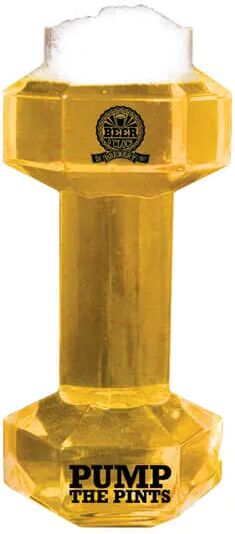
Beer O Clock Beer O'Clock Dumbbell Beer GlassHolding 650ml of your favourite tipple (that's over a pint!) the Beer O'Clock Dumbbell Beer Glass gives your drinking arm a thorough workout while you drink! This perfect glass for gym lovers measures an impressive 21.5cm in height and is supplied in a polystyrene lined gift box, making it the ultimate man gift for father's day, birthday or Christmas. Pump beer, not iron with this unique and cool dumbbell shaped glass. Approximate dumbbell beer glass dimensions: H21.5cm x W10cm. Weight: 460gr. Hand wash only.16,19 £*Shipping: 3,50 £Secure redirect to the provider
-
Fusion Finds Outdoor Stainless Steel Cups For Travel And Camping Beer, Wine, Coffee, Tea Tumblers 180ml"Stainless Steel Metal Cup Beer Cups White Wine Glass Coffee Tumbler Travel Camping Mugs Drinking Tea Mug OutdoorPlease note that the package includes only one cup, not a set of cups.""DELIVERY DETAILS:We ship globally, ensuring your order reaches you..."20,00 $*Shipping: 0,00 $Secure redirect to the provider
-
Inspire Picks European Style Luxury Tissue Storage Box For Home & Hospitality a goldenRefine your space with a touch of understated elegance. This European style tissue box blends classic design with modern practicality, making it perfect for dining tables, countertops, and reception areas. Crafted to function as a luxury napkin...34,93 $*Shipping: 0,00 $Secure redirect to the provider
-
Uplifted Finds Single Layer Stainless Steel Outdoor Camping Beer & Coffee Cup With Rolled Rim 350mlEnjoy your favorite beverages outdoors with this SingleLayer Stainless Steel Camping Cup. Forged from highgrade, foodsafe stainless steel, this rugged water and beer tumbler is built to handle outdoor adventures, backyard barbecues, and everyday...38,97 $*Shipping: 0,00 $Secure redirect to the provider


-
How do you conjugate French adjectives?
In French, adjectives must agree in gender (masculine or feminine) and number (singular or plural) with the noun they modify. To conjugate a French adjective, you need to add the appropriate ending to match the gender and number of the noun it describes. For example, to make the adjective "petit" (small) agree with a masculine singular noun, you would use "petit." But if the noun is feminine singular, you would use "petite." And for a masculine plural noun, you would use "petits," and for a feminine plural noun, you would use "petites." **
-
How do you conjugate in Hebrew?
In Hebrew, verbs are conjugated based on the subject of the sentence and the tense of the action. There are different conjugation patterns for each tense (past, present, future) and for each subject (I, you, he/she/it, we, you all, they). The verb root remains the same, but the conjugation changes to match the subject and tense. Additionally, Hebrew verbs also change based on gender and number of the subject. Learning the conjugation patterns and practicing with different verbs is essential for mastering Hebrew verb conjugation. **
-
Can you help me conjugate avoir?
Sure! The verb "avoir" is conjugated as follows: - J'ai (I have) - Tu as (You have) - Il/Elle/On a (He/She/One has) - Nous avons (We have) - Vous avez (You have) - Ils/Elles ont (They have) **
-
How do you conjugate in French?
In French, verbs are conjugated to match the subject of the sentence, including the person (I, you, he/she, we, they) and the tense (present, past, future, etc.). To conjugate a regular verb in the present tense, you remove the infinitive ending (-er, -ir, -re) and add the appropriate ending for the subject (je, tu, il/elle, nous, vous, ils/elles). For example, for the verb "parler" (to speak), you would conjugate it as "je parle" (I speak), "tu parles" (you speak), "il/elle parle" (he/she speaks), "nous parlons" (we speak), "vous parlez" (you speak), "ils/elles parlent" (they speak). Irregular verbs have their own unique conjugation patterns that need to be memorized. **


How do you conjugate the verb "essayer"?
To conjugate the verb "essayer" in French, you would follow the regular -er verb conjugation pattern. For example: - Je essaie (I try) - Tu essaies (You try) - Il/Elle essaie (He/She tries) - Nous essayons (We try) - Vous essayez (You try) - Ils/Elles essaient (They try) **
How do you conjugate "pleuvoir" in French?
The verb "pleuvoir" is an irregular verb in French, so its conjugation does not follow the regular patterns. In the present tense, it is conjugated as follows: "il pleut" (it is raining). In the past tense, it is conjugated as "il a plu" (it rained). In the future tense, it is conjugated as "il pleuvra" (it will rain). **
Top-Angebote
Products related to Conjugate:
-
Bar Bespoke Sports Fan Cricket Ball Beer GlassThe Bar Bespoke Cricket Ball Beer Glass is a distinctive, handcrafted gift item that blends traditional sports nostalgia with premium drinkware. Each glass is embedded with a real 4cm souvenir-size leather cricket ball, creating a visually striking, tactile piece that captures attention and sparks conversation. Designed for the modern gift-giver, it combines novelty, function, and craftsmanship in one irresistible package. Material: Durable clear soda lime glass with embedded real leather mini cricket ball. Cricket ball size: 4cm (souvenir size – smaller than match balls!) Dimensions: Dia: 9cm Height: 14.8cm Base: 6cm Product Weight: 380g (Without packaging) Capacity: 400ml for a typical bottle or can. Hand wash only Handmade nature means slight variations are to be expected — each piece is truly one of a kind.19,79 £*Shipping: 3,50 £Secure redirect to the provider
-
Uplifted Finds Single Layer Stainless Steel Outdoor Camping Beer & Coffee Cup With Rolled Rim 240mlEnjoy your favorite beverages outdoors with this SingleLayer Stainless Steel Camping Cup. Forged from highgrade, foodsafe stainless steel, this rugged water and beer tumbler is built to handle outdoor adventures, backyard barbecues, and everyday...33,97 $*Shipping: 0,00 $Secure redirect to the provider
-
Beer O Clock Beer O'Clock Dumbbell Beer GlassHolding 650ml of your favourite tipple (that's over a pint!) the Beer O'Clock Dumbbell Beer Glass gives your drinking arm a thorough workout while you drink! This perfect glass for gym lovers measures an impressive 21.5cm in height and is supplied in a polystyrene lined gift box, making it the ultimate man gift for father's day, birthday or Christmas. Pump beer, not iron with this unique and cool dumbbell shaped glass. Approximate dumbbell beer glass dimensions: H21.5cm x W10cm. Weight: 460gr. Hand wash only.16,19 £*Shipping: 3,50 £Secure redirect to the provider
-
Fusion Finds Outdoor Stainless Steel Cups For Travel And Camping Beer, Wine, Coffee, Tea Tumblers 180ml"Stainless Steel Metal Cup Beer Cups White Wine Glass Coffee Tumbler Travel Camping Mugs Drinking Tea Mug OutdoorPlease note that the package includes only one cup, not a set of cups.""DELIVERY DETAILS:We ship globally, ensuring your order reaches you..."20,00 $*Shipping: 0,00 $Secure redirect to the provider
-
When do you conjugate "avoir"?
The verb "avoir" is conjugated when talking about possession or to form compound tenses such as the passé composé. In these cases, "avoir" is conjugated according to the subject of the sentence. For example, "J'ai un chat" (I have a cat) or "Nous avons mangé" (We have eaten). **
-
How do you conjugate falloir?
The verb "falloir" is an impersonal verb, meaning it is only used in the third person singular. It is conjugated as "il faut" in the present tense, "il fallait" in the imperfect tense, and "il faudra" in the future tense. There is no need to conjugate it for different subjects, as it always remains in the third person singular form. **
-
How do you conjugate French adjectives?
In French, adjectives must agree in gender (masculine or feminine) and number (singular or plural) with the noun they modify. To conjugate a French adjective, you need to add the appropriate ending to match the gender and number of the noun it describes. For example, to make the adjective "petit" (small) agree with a masculine singular noun, you would use "petit." But if the noun is feminine singular, you would use "petite." And for a masculine plural noun, you would use "petits," and for a feminine plural noun, you would use "petites." **
-
How do you conjugate in Hebrew?
In Hebrew, verbs are conjugated based on the subject of the sentence and the tense of the action. There are different conjugation patterns for each tense (past, present, future) and for each subject (I, you, he/she/it, we, you all, they). The verb root remains the same, but the conjugation changes to match the subject and tense. Additionally, Hebrew verbs also change based on gender and number of the subject. Learning the conjugation patterns and practicing with different verbs is essential for mastering Hebrew verb conjugation. **
Similar search terms for Conjugate
-
Inspire Picks European Style Luxury Tissue Storage Box For Home & Hospitality a goldenRefine your space with a touch of understated elegance. This European style tissue box blends classic design with modern practicality, making it perfect for dining tables, countertops, and reception areas. Crafted to function as a luxury napkin...34,93 $*Shipping: 0,00 $Secure redirect to the provider
-
Uplifted Finds Single Layer Stainless Steel Outdoor Camping Beer & Coffee Cup With Rolled Rim 350mlEnjoy your favorite beverages outdoors with this SingleLayer Stainless Steel Camping Cup. Forged from highgrade, foodsafe stainless steel, this rugged water and beer tumbler is built to handle outdoor adventures, backyard barbecues, and everyday...38,97 $*Shipping: 0,00 $Secure redirect to the provider
-
Uplifted Finds Single Layer Stainless Steel Outdoor Camping Beer & Coffee Cup With Rolled Rim 200mlEnjoy your favorite beverages outdoors with this SingleLayer Stainless Steel Camping Cup. Forged from highgrade, foodsafe stainless steel, this rugged water and beer tumbler is built to handle outdoor adventures, backyard barbecues, and everyday...33,97 $*Shipping: 0,00 $Secure redirect to the provider
-
Uplifted Finds Single Layer Stainless Steel Outdoor Camping Beer & Coffee Cup With Rolled Rim 300mlEnjoy your favorite beverages outdoors with this SingleLayer Stainless Steel Camping Cup. Forged from highgrade, foodsafe stainless steel, this rugged water and beer tumbler is built to handle outdoor adventures, backyard barbecues, and everyday...38,97 $*Shipping: 0,00 $Secure redirect to the provider
-
Can you help me conjugate avoir?
Sure! The verb "avoir" is conjugated as follows: - J'ai (I have) - Tu as (You have) - Il/Elle/On a (He/She/One has) - Nous avons (We have) - Vous avez (You have) - Ils/Elles ont (They have) **
-
How do you conjugate in French?
In French, verbs are conjugated to match the subject of the sentence, including the person (I, you, he/she, we, they) and the tense (present, past, future, etc.). To conjugate a regular verb in the present tense, you remove the infinitive ending (-er, -ir, -re) and add the appropriate ending for the subject (je, tu, il/elle, nous, vous, ils/elles). For example, for the verb "parler" (to speak), you would conjugate it as "je parle" (I speak), "tu parles" (you speak), "il/elle parle" (he/she speaks), "nous parlons" (we speak), "vous parlez" (you speak), "ils/elles parlent" (they speak). Irregular verbs have their own unique conjugation patterns that need to be memorized. **
-
How do you conjugate the verb "essayer"?
To conjugate the verb "essayer" in French, you would follow the regular -er verb conjugation pattern. For example: - Je essaie (I try) - Tu essaies (You try) - Il/Elle essaie (He/She tries) - Nous essayons (We try) - Vous essayez (You try) - Ils/Elles essaient (They try) **
-
How do you conjugate "pleuvoir" in French?
The verb "pleuvoir" is an irregular verb in French, so its conjugation does not follow the regular patterns. In the present tense, it is conjugated as follows: "il pleut" (it is raining). In the past tense, it is conjugated as "il a plu" (it rained). In the future tense, it is conjugated as "il pleuvra" (it will rain). **
* All prices are inclusive of VAT and, if applicable, plus shipping costs. The offer information is based on the details provided by the respective shop and is updated through automated processes. Real-time updates do not occur, so deviations can occur in individual cases. ** Note: Parts of this content were created by AI.