Buy carlsbergfancamp.pl ?
We are moving the project
carlsbergfancamp.pl .
Are you interested in purchasing the domain
carlsbergfancamp.pl ?
domain@kv-gmbh.de · 0541-91531010
Buy carlsbergfancamp.pl ?
Are those healthy budgie beaks?
It is difficult to determine the health of the budgie beaks without a closer examination. Healthy budgie beaks are typically smooth, well-shaped, and free from any discoloration or deformities. If the beaks appear overgrown, discolored, or have any signs of damage, it may indicate a health issue that requires attention from a veterinarian. Regular monitoring and providing appropriate toys and perches for chewing can help maintain the health of budgie beaks. **
Do my budgerigars have cracks in their beaks?
It is not uncommon for budgerigars to have small cracks or imperfections in their beaks. This can be caused by a variety of factors such as diet, genetics, or environmental conditions. However, if the cracks appear to be deep, causing bleeding or affecting the bird's ability to eat or groom itself, it is important to consult a veterinarian for proper treatment. Regular monitoring of your budgerigars' beaks and providing a balanced diet can help prevent and manage any issues with their beaks. **


Similar search terms for Beaks
Top-Angebote
Products related to Beaks:
-
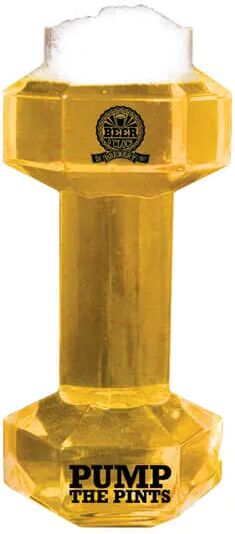
Beer O Clock Beer O'Clock Dumbbell Beer GlassHolding 650ml of your favourite tipple (that's over a pint!) the Beer O'Clock Dumbbell Beer Glass gives your drinking arm a thorough workout while you drink! This perfect glass for gym lovers measures an impressive 21.5cm in height and is supplied in a polystyrene lined gift box, making it the ultimate man gift for father's day, birthday or Christmas. Pump beer, not iron with this unique and cool dumbbell shaped glass. Approximate dumbbell beer glass dimensions: H21.5cm x W10cm. Weight: 460gr. Hand wash only.16,19 £*Shipping: 3,50 £Secure redirect to the provider
-
Fusion Finds Outdoor Stainless Steel Cups For Travel And Camping Beer, Wine, Coffee, Tea Tumblers 320ml"Stainless Steel Metal Cup Beer Cups White Wine Glass Coffee Tumbler Travel Camping Mugs Drinking Tea Mug OutdoorPlease note that the package includes only one cup, not a set of cups.""DELIVERY DETAILS:We ship globally, ensuring your order reaches you..."22,00 $*Shipping: 0,00 $Secure redirect to the provider
-
Goosebumps Entertainment PackRelive the adventures of the hit show in these two novels, and then explore your creativity with more than 90 images in the Official Goosebumps Coloring Book.This set includes:Goosebumps TV: The Haunting ReturnsGoosebumps TV: The Vanished...36,99 $*Shipping: 0,00 $Secure redirect to the provider
-
Uplifted Finds Single Layer Stainless Steel Outdoor Camping Beer & Coffee Cup With Rolled Rim 400mlEnjoy your favorite beverages outdoors with this SingleLayer Stainless Steel Camping Cup. Forged from highgrade, foodsafe stainless steel, this rugged water and beer tumbler is built to handle outdoor adventures, backyard barbecues, and everyday...38,97 $*Shipping: 0,00 $Secure redirect to the provider



-
How do budgerigars make sounds with their beaks?
Budgerigars, also known as budgies, make sounds with their beaks by grinding their upper and lower beaks together. This action creates a soft, chattering sound that is often used as a form of communication between budgies. Additionally, budgies can also produce a variety of vocalizations, including chirps, whistles, and squawks, by using their syrinx, a vocal organ located at the base of their trachea. These vocalizations are used for various purposes, such as attracting a mate, warning of danger, or expressing contentment. **
-
Why do birds move their beaks so jerkily?
Birds move their beaks jerkily because it allows them to quickly and accurately capture prey, such as insects or small fish. This rapid movement helps them to snatch their prey with precision and speed, making it easier for them to catch their food. Additionally, the jerky movement of their beaks may also help birds to break open seeds or nuts, allowing them to access the nutritious contents inside. Overall, the jerky movement of their beaks is an adaptation that helps birds to efficiently feed and survive in their natural environment. **
-
What is special about the beaks of the Darwin's finches?
The beaks of Darwin's finches are special because they have evolved to be different shapes and sizes in order to adapt to different food sources. This is a classic example of adaptive radiation, where a single ancestral species diversifies into multiple species with different ecological roles. The beak shapes of the finches allow them to access different types of food, such as seeds, insects, or nectar, depending on the specific environmental conditions of their habitat. This variation in beak morphology has allowed the finches to successfully exploit a wide range of ecological niches in the Galápagos Islands. **
-
Why do tits peck at the window with their beaks?
Tits may peck at windows for a few reasons. They may see their reflection and mistake it for a rival bird, leading them to peck at the window in an attempt to drive the "intruder" away. Additionally, they may be trying to access insects or other food that they see on the other side of the window. In some cases, they may also be trying to build a nest or find a suitable nesting site. It's important to try to deter this behavior, as it can be harmful to the birds and may also damage the window. **


What do the beaks and feet of birds have to do with their food?
The beaks and feet of birds are adapted to help them obtain and consume their food. The shape and size of a bird's beak is often specialized for the type of food it eats, such as a long, thin beak for probing into flowers for nectar or a strong, hooked beak for tearing into flesh. Similarly, the feet of birds can be adapted for different purposes, such as webbed feet for swimming and catching fish, or talons for grasping and carrying prey. Overall, the beaks and feet of birds play a crucial role in helping them find, capture, and consume their food. **
Why do birds tuck their beaks into their feathers on their back when sleeping?
Birds tuck their beaks into their feathers on their back when sleeping as a way to keep warm and conserve energy. By tucking their beaks, they can reduce heat loss and maintain their body temperature during the night. This behavior also helps protect their beaks from potential predators while they are vulnerable and asleep. Additionally, tucking their beaks into their feathers can help birds maintain a streamlined shape, making it easier for them to stay balanced and stable while perched. **
Top-Angebote
Products related to Beaks:
-
Bar Bespoke Sports Fan Cricket Ball Beer GlassThe Bar Bespoke Cricket Ball Beer Glass is a distinctive, handcrafted gift item that blends traditional sports nostalgia with premium drinkware. Each glass is embedded with a real 4cm souvenir-size leather cricket ball, creating a visually striking, tactile piece that captures attention and sparks conversation. Designed for the modern gift-giver, it combines novelty, function, and craftsmanship in one irresistible package. Material: Durable clear soda lime glass with embedded real leather mini cricket ball. Cricket ball size: 4cm (souvenir size – smaller than match balls!) Dimensions: Dia: 9cm Height: 14.8cm Base: 6cm Product Weight: 380g (Without packaging) Capacity: 400ml for a typical bottle or can. Hand wash only Handmade nature means slight variations are to be expected — each piece is truly one of a kind.19,79 £*Shipping: 3,50 £Secure redirect to the provider
-
Uplifted Finds Single Layer Stainless Steel Outdoor Camping Beer & Coffee Cup With Rolled Rim 300mlEnjoy your favorite beverages outdoors with this SingleLayer Stainless Steel Camping Cup. Forged from highgrade, foodsafe stainless steel, this rugged water and beer tumbler is built to handle outdoor adventures, backyard barbecues, and everyday...38,97 $*Shipping: 0,00 $Secure redirect to the provider
-
Beer O Clock Beer O'Clock Dumbbell Beer GlassHolding 650ml of your favourite tipple (that's over a pint!) the Beer O'Clock Dumbbell Beer Glass gives your drinking arm a thorough workout while you drink! This perfect glass for gym lovers measures an impressive 21.5cm in height and is supplied in a polystyrene lined gift box, making it the ultimate man gift for father's day, birthday or Christmas. Pump beer, not iron with this unique and cool dumbbell shaped glass. Approximate dumbbell beer glass dimensions: H21.5cm x W10cm. Weight: 460gr. Hand wash only.16,19 £*Shipping: 3,50 £Secure redirect to the provider
-
Fusion Finds Outdoor Stainless Steel Cups For Travel And Camping Beer, Wine, Coffee, Tea Tumblers 320ml"Stainless Steel Metal Cup Beer Cups White Wine Glass Coffee Tumbler Travel Camping Mugs Drinking Tea Mug OutdoorPlease note that the package includes only one cup, not a set of cups.""DELIVERY DETAILS:We ship globally, ensuring your order reaches you..."22,00 $*Shipping: 0,00 $Secure redirect to the provider
-
Are those healthy budgie beaks?
It is difficult to determine the health of the budgie beaks without a closer examination. Healthy budgie beaks are typically smooth, well-shaped, and free from any discoloration or deformities. If the beaks appear overgrown, discolored, or have any signs of damage, it may indicate a health issue that requires attention from a veterinarian. Regular monitoring and providing appropriate toys and perches for chewing can help maintain the health of budgie beaks. **
-
Do my budgerigars have cracks in their beaks?
It is not uncommon for budgerigars to have small cracks or imperfections in their beaks. This can be caused by a variety of factors such as diet, genetics, or environmental conditions. However, if the cracks appear to be deep, causing bleeding or affecting the bird's ability to eat or groom itself, it is important to consult a veterinarian for proper treatment. Regular monitoring of your budgerigars' beaks and providing a balanced diet can help prevent and manage any issues with their beaks. **
-
How do budgerigars make sounds with their beaks?
Budgerigars, also known as budgies, make sounds with their beaks by grinding their upper and lower beaks together. This action creates a soft, chattering sound that is often used as a form of communication between budgies. Additionally, budgies can also produce a variety of vocalizations, including chirps, whistles, and squawks, by using their syrinx, a vocal organ located at the base of their trachea. These vocalizations are used for various purposes, such as attracting a mate, warning of danger, or expressing contentment. **
-
Why do birds move their beaks so jerkily?
Birds move their beaks jerkily because it allows them to quickly and accurately capture prey, such as insects or small fish. This rapid movement helps them to snatch their prey with precision and speed, making it easier for them to catch their food. Additionally, the jerky movement of their beaks may also help birds to break open seeds or nuts, allowing them to access the nutritious contents inside. Overall, the jerky movement of their beaks is an adaptation that helps birds to efficiently feed and survive in their natural environment. **
Similar search terms for Beaks
-
Goosebumps Entertainment PackRelive the adventures of the hit show in these two novels, and then explore your creativity with more than 90 images in the Official Goosebumps Coloring Book.This set includes:Goosebumps TV: The Haunting ReturnsGoosebumps TV: The Vanished...36,99 $*Shipping: 0,00 $Secure redirect to the provider
-
Uplifted Finds Single Layer Stainless Steel Outdoor Camping Beer & Coffee Cup With Rolled Rim 400mlEnjoy your favorite beverages outdoors with this SingleLayer Stainless Steel Camping Cup. Forged from highgrade, foodsafe stainless steel, this rugged water and beer tumbler is built to handle outdoor adventures, backyard barbecues, and everyday...38,97 $*Shipping: 0,00 $Secure redirect to the provider
-
Uplifted Finds Single Layer Stainless Steel Outdoor Camping Beer & Coffee Cup With Rolled Rim 200mlEnjoy your favorite beverages outdoors with this SingleLayer Stainless Steel Camping Cup. Forged from highgrade, foodsafe stainless steel, this rugged water and beer tumbler is built to handle outdoor adventures, backyard barbecues, and everyday...33,97 $*Shipping: 0,00 $Secure redirect to the provider
-
Uplifted Finds Single Layer Stainless Steel Outdoor Camping Beer & Coffee Cup With Rolled Rim 350mlEnjoy your favorite beverages outdoors with this SingleLayer Stainless Steel Camping Cup. Forged from highgrade, foodsafe stainless steel, this rugged water and beer tumbler is built to handle outdoor adventures, backyard barbecues, and everyday...38,97 $*Shipping: 0,00 $Secure redirect to the provider
-
What is special about the beaks of the Darwin's finches?
The beaks of Darwin's finches are special because they have evolved to be different shapes and sizes in order to adapt to different food sources. This is a classic example of adaptive radiation, where a single ancestral species diversifies into multiple species with different ecological roles. The beak shapes of the finches allow them to access different types of food, such as seeds, insects, or nectar, depending on the specific environmental conditions of their habitat. This variation in beak morphology has allowed the finches to successfully exploit a wide range of ecological niches in the Galápagos Islands. **
-
Why do tits peck at the window with their beaks?
Tits may peck at windows for a few reasons. They may see their reflection and mistake it for a rival bird, leading them to peck at the window in an attempt to drive the "intruder" away. Additionally, they may be trying to access insects or other food that they see on the other side of the window. In some cases, they may also be trying to build a nest or find a suitable nesting site. It's important to try to deter this behavior, as it can be harmful to the birds and may also damage the window. **
-
What do the beaks and feet of birds have to do with their food?
The beaks and feet of birds are adapted to help them obtain and consume their food. The shape and size of a bird's beak is often specialized for the type of food it eats, such as a long, thin beak for probing into flowers for nectar or a strong, hooked beak for tearing into flesh. Similarly, the feet of birds can be adapted for different purposes, such as webbed feet for swimming and catching fish, or talons for grasping and carrying prey. Overall, the beaks and feet of birds play a crucial role in helping them find, capture, and consume their food. **
-
Why do birds tuck their beaks into their feathers on their back when sleeping?
Birds tuck their beaks into their feathers on their back when sleeping as a way to keep warm and conserve energy. By tucking their beaks, they can reduce heat loss and maintain their body temperature during the night. This behavior also helps protect their beaks from potential predators while they are vulnerable and asleep. Additionally, tucking their beaks into their feathers can help birds maintain a streamlined shape, making it easier for them to stay balanced and stable while perched. **
* All prices are inclusive of VAT and, if applicable, plus shipping costs. The offer information is based on the details provided by the respective shop and is updated through automated processes. Real-time updates do not occur, so deviations can occur in individual cases. ** Note: Parts of this content were created by AI.